

Is Your Low Back Pain From Joint Stiffness or Muscle Tension? How to Tell—and What Helps
Low back pain can come from many places, but knowing whether it’s joint stiffness or muscle tension makes a big difference. Joint stiffness often limits your range of motion and feels tight after rest, while muscle tension might cause sharp spasms or aching soreness. At Mill Creek Chiropractic, we help you identify these signs and offer drug-free relief tailored to your needs. Keep reading to learn simple ways to tell what’s behind your lumbar pain and what steps bring lasting comfort. For more information, check out this resource.
Identifying Low Back Pain Causes
Finding out what’s causing your low back pain isn’t as hard as it seems. It’s all about knowing the signs and what they mean for your body.
Recognizing Joint Stiffness
Joint stiffness often feels like you’re moving through mud. When you get up from sitting or lying down, it can be tough to move freely. This stiffness typically makes bending or twisting difficult, and you might feel a tightness or a lack of flexibility. Common areas where you might notice this are around the sacroiliac joint or facet joints in your lower back. If your discomfort worsens in the morning or after resting, joint stiffness could be the culprit. This stiffness impacts your range of motion, causing discomfort when you try to extend or bend your back.
Spotting Muscle Tension Signs
Muscle tension creates a different kind of pain. This often feels like a dull ache or a sharp spasm that hits unexpectedly. You might notice this after a long day of sitting, standing, or bending. Unlike joint stiffness, muscle tension pain can vary in intensity and location. You might feel tight knots or myofascial trigger points that are tender to touch. Muscle tension often results from stress, postural strain, or physical overexertion, leading to muscle spasms that make movement painful. Regular activities can become challenging, and the pain might radiate to other areas, like your hips or thighs.
Common Low Back Pain Triggers
Several factors can bring on low back pain. Poor posture, lack of exercise, or even stress can lead to pain. Everyday habits such as sitting for long periods or lifting heavy objects improperly can strain your back. Additionally, injuries like those from auto accidents can trigger pain due to sudden movements or impacts. Understanding these triggers is crucial because it helps you take preventive measures. Knowing what affects your back can guide you toward solutions that prevent further discomfort and maintain your well-being.
Exploring Effective Relief Options

Once you know the cause, finding relief becomes easier. There are targeted solutions that address both joint stiffness and muscle tension.
Chiropractic Adjustments and Techniques
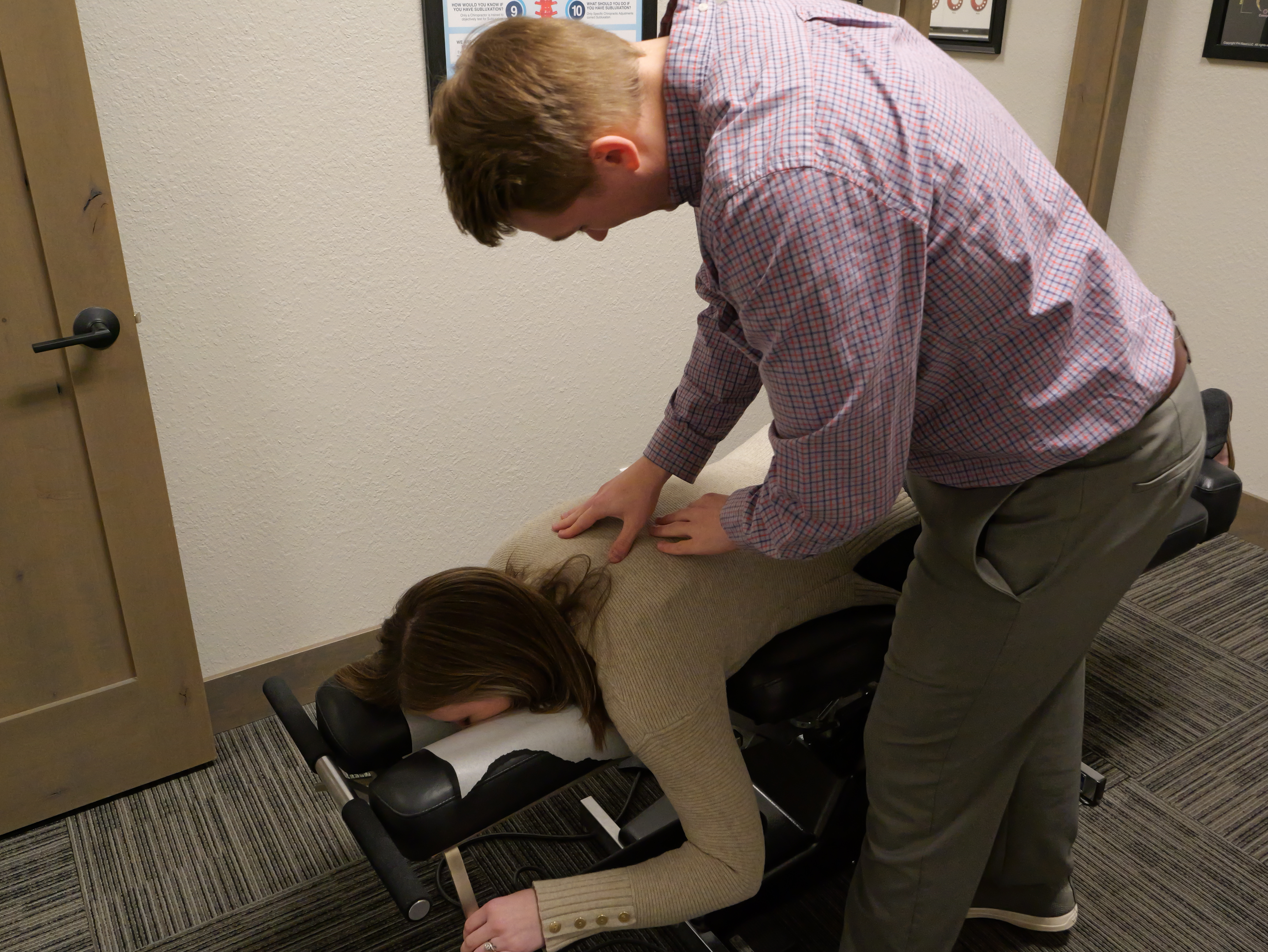
Chiropractic adjustments can be a game-changer. These adjustments help realign your spine, reducing pressure on joints and muscles. By targeting specific areas, they enhance mobility and reduce pain. This non-invasive method is ideal for restoring proper alignment and function, particularly if joint stiffness is involved. Many find relief after just a few sessions, feeling less pain and more ease in movement. Regular adjustments can help maintain alignment, offering long-term benefits for your overall spinal health.
Soft-Tissue and Manual Therapy Benefits
Soft-tissue therapies focus on relaxing and rehabilitating your muscles. Techniques like massage and myofascial release ease muscle tension and improve circulation. This approach is especially beneficial if you’re dealing with muscle spasms or trigger points. By targeting these areas, therapy can reduce pain and improve flexibility. It can also complement chiropractic care, ensuring a comprehensive treatment plan. Patients often experience reduced stress and improved range of motion, making daily activities more comfortable.
Tailored Rehab Exercises for Recovery
Rehab exercises are crucial in your recovery journey. These exercises strengthen your back muscles and improve flexibility. Tailored to your specific needs, they help prevent future injuries and maintain proper posture. Exercises may include stretches, core strengthening, or specific movements targeting weak areas. By incorporating these into your routine, you support long-term recovery and enhance spinal health. Consistency is key, so make these exercises a regular part of your wellness plan.
When to Seek Professional Care
Knowing when to see a professional can make a big difference. It’s not just about fixing the problem but understanding it fully.
The Importance of a Back Pain Assessment
A back pain assessment provides a clear picture of what’s going on. Professionals can identify the root cause, whether it’s a joint issue or muscle tension. This assessment guides the treatment process, ensuring you’re on the right track. You get a personalized care plan that addresses your unique needs. By understanding your condition, you take control of your recovery and make informed decisions about your health.
Benefits of Holistic Chiropractic Care
Holistic chiropractic care offers more than just pain relief. This approach considers your overall well-being, addressing not just symptoms but their causes. By focusing on your body’s natural ability to heal, holistic care promotes wellness. It integrates various therapies and lifestyle changes, supporting your journey to health. Patients often find not just reduced pain but improved quality of life, feeling empowered and healthier.
Scheduling with Mill Creek WA Chiropractor
Ready to take the next step? Scheduling with a Mill Creek WA chiropractor is easy. Our team is here to help you find the relief you need. With personalized care and a focus on your well-being, we’re dedicated to supporting your journey to recovery. Don’t let pain hold you back. Embrace the opportunity for a pain-free life by reaching out today.
Frequently Asked Questions
What if my low back pain doesn’t improve with home care?
If your pain persists, it’s essential to seek professional help. A chiropractor can assess your condition and provide a tailored treatment plan to address your specific needs.
How often should I see a chiropractor for low back pain?
The frequency of visits depends on your condition. Acute pain may require multiple visits per week initially, while maintenance care might be monthly. Your chiropractor will create a plan that suits your needs.
Can chiropractic care help with auto accident injuries?
Yes, chiropractic care is effective for treating injuries from auto accidents. It addresses pain, improves mobility, and supports recovery without drugs or invasive procedures.
Is it normal to feel sore after a chiropractic adjustment?
Mild soreness after an adjustment is normal and usually resolves within 24–48 hours. It’s a sign that your body is adapting to the changes from the treatment.
How do I know if my back pain is from a joint or muscle issue?
Joint pain often presents as stiffness and limited movement, especially after rest, while muscle pain can feel like spasms or aching. A professional assessment can help determine the exact cause.