
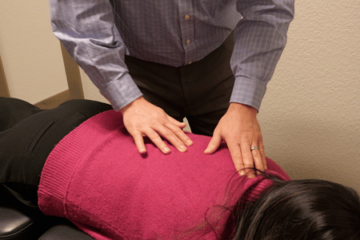
Is Your Low Back Pain From Joint Stiffness or Muscle Tension? Simple Ways to Tell
Low back pain can sneak up on you, making daily tasks tougher and leaving you wondering what’s really behind the discomfort. Knowing whether joint stiffness or muscle tension is causing your pain helps you take the right steps toward relief. In this post, you’ll learn simple signs to spot the difference and easy checks you can do at home before booking a thorough back pain assessment with a Mill Creek chiropractor. For more information on distinguishing between muscular or spinal causes of back pain, you may also find this article helpful: [https://thepainsmith.com/is-my-back-pain-muscular-or-spinal/].
Identifying Your Low Back Pain
When low back pain strikes, understanding its source is key to finding relief. Let’s explore how to differentiate between joint stiffness and muscle tension.
Recognizing Joint Stiffness
Joint stiffness often feels like a restriction in movement. It can result from conditions such as facet joint pain or sacroiliac joint dysfunction. These issues may cause pain that is localized and sharp, especially when you try to bend or twist. Think of it as trying to move a rusty hinge—movement is possible but not smooth. For more insights, visit this resource.
Spotting Muscle Tension
Muscle tension creates a different sensation. It might feel like your muscles are tight or knotted, often leading to widespread discomfort. Conditions like myofascial trigger points or muscle spasms cause this kind of pain, which may radiate out from the original spot. It’s like pulling on a rubber band—the tension affects more than just the starting point.
At-home Checks for Clarity
To pinpoint the source of your pain, try these simple checks. Carefully note when pain arises during specific movements or stretches. Does it hurt more when you’re still, or does it flare up with movement? This observation can help you understand whether it’s a joint or muscle issue.
Simple At-home Evaluations

Once you’ve identified potential signs, some at-home evaluations can further clarify your low back pain’s source.
Range of Motion Tests
Testing your range of motion can reveal a lot about the nature of your discomfort. Try bending forward, backward, and side to side. Pay attention to where you feel restriction: joint stiffness often limits movement in specific directions. If bending causes sharp pain, it might indicate joint issues.
Checking for Muscle Spasms
Muscle spasms are involuntary contractions that can indicate muscle tension. To check, gently press on your lower back. If you feel tight knots or experience twitching under your fingers, you’re likely dealing with muscle tension. This hands-on test can help confirm what your body is telling you.
Evaluating Mobility and Flexibility
Assessing your overall mobility and flexibility can provide more clues. Try simple stretches like touching your toes or reaching for the ceiling. If you notice a significant difference in flexibility compared to other parts of your body, it could point to joint stiffness or muscle tension affecting your range of motion.
Seeking Professional Chiropractic Care

When at-home checks aren’t enough, or if your back pain persists, it’s time to consult a professional chiropractor. They offer expert evaluations and personalized treatment plans.
Importance of a Back Pain Assessment
A thorough back pain assessment by a Mill Creek chiropractor can accurately diagnose the cause of your pain. They assess your spine and muscle health, considering both joint and muscle factors to pinpoint the issue.
Benefits of Chiropractic Adjustments
Chiropractic adjustments can provide non-invasive pain relief. They help improve the alignment of your lumbar spine, reducing pressure on joints and muscles. This can lead to lasting relief from both joint stiffness and muscle tension. Learn more about how chiropractors can address both spinal and muscular issues here.
Personalized Care Plans for Relief
After the initial assessment, a personalized care plan will be crafted. This plan may include chiropractic adjustments, soft tissue therapy, and exercises like core stabilization for enhanced support. By targeting your specific needs, chiropractic care can help you regain mobility and alleviate pain.
Frequently Asked Questions
What are the common signs of joint stiffness?
Joint stiffness often includes localized pain that worsens with movement, especially bending or twisting. It can feel like a restriction or resistance in the joint area.
How can I tell if my back pain is due to muscle tension?
Muscle tension usually causes a tight or knotted sensation. You might feel widespread discomfort, and pressing on the affected area may reveal tight spots or trigger points.
What should I do if my at-home checks are inconclusive?
If you’re unsure about the source of your pain after at-home evaluations, it’s best to consult a professional chiropractor. They can provide a detailed assessment and recommend an appropriate treatment plan.
How can chiropractic care help with low back pain?
Chiropractic care can improve spinal alignment and reduce joint and muscle pressure. It offers non-invasive pain relief and can include adjustments, soft tissue therapy, and personalized exercises.
When should I see a chiropractor for low back pain?
Consider seeing a chiropractor if your pain persists despite at-home care, if it’s severe, or if it limits your daily activities. Early intervention can prevent the issue from worsening.