

Is Your Low Back Pain From Stiff Joints, Tight Muscles, or Both? A Simple Guide
Low back pain can sneak up on you and leave you wondering what’s really causing it. Is it stiff joints locking up your movement, tight muscles pulling at your spine, or a mix of both? Knowing the signs can help you take the right steps toward relief. This guide breaks down how to tell what’s behind your discomfort and when to seek expert care from a Mill Creek chiropractor who understands your needs.
Identifying the Source of Low Back Pain
Understanding what’s causing your low back pain is the first step to relief. Whether it’s joint stiffness, muscle tension, or a combination of both, recognizing the symptoms can guide you toward the most effective treatment.
Recognizing Joint Stiffness Symptoms
Joint stiffness often feels like an inability to move freely. If your back feels locked or you notice morning stiffness that eases as the day progresses, joint issues might be to blame. Stiffness in your facet joints or sacroiliac joint dysfunction can restrict your lumbar mobility. Pay attention to pain with extension of your back or when reaching out. This type of discomfort may intensify after sitting for long periods or upon waking up.
Joint stiffness can sometimes mimic other pain types, so it’s crucial to observe when and how the pain presents itself. If moving or bending backward seems to worsen your symptoms, joint issues might be the primary cause. A professional evaluation can confirm this and help with targeted strategies to restore movement.
Spotting Muscle Tension Indicators
Muscle tension often presents as a tightness or pulling sensation. If your back feels tight or achy, particularly after physical activity or stress, muscle tension might be the root cause. This can lead to trigger points or muscle spasms that make movement painful and limited. Areas of tenderness in your lower back, coupled with a sensation of fatigue, often point to muscular issues.
Another sign is pain with flexion: bending forward or sitting might worsen the discomfort. Muscles in spasm can feel hard to the touch and might make it challenging to find a comfortable position. Recognizing these signs can help target the right form of therapy, such as myofascial release or soft tissue therapy.
Signs of Combined Pain Sources
Sometimes, both joints and muscles can contribute to your pain. If you experience a mix of stiffness and muscle tightness, this dual source might be affecting you. Pain that varies with different movements or persists despite resting could indicate that both structures are involved. For instance, feeling stiff in the morning and achy by the afternoon might suggest a combination.
When both components are involved, the pain might radiate or change intensity throughout the day. This complexity requires a comprehensive approach to treatment, often involving chiropractic adjustment and IASTM (Instrument Assisted Soft Tissue Mobilization) to address both elements.
Easy Self-Checks for Low Back Pain
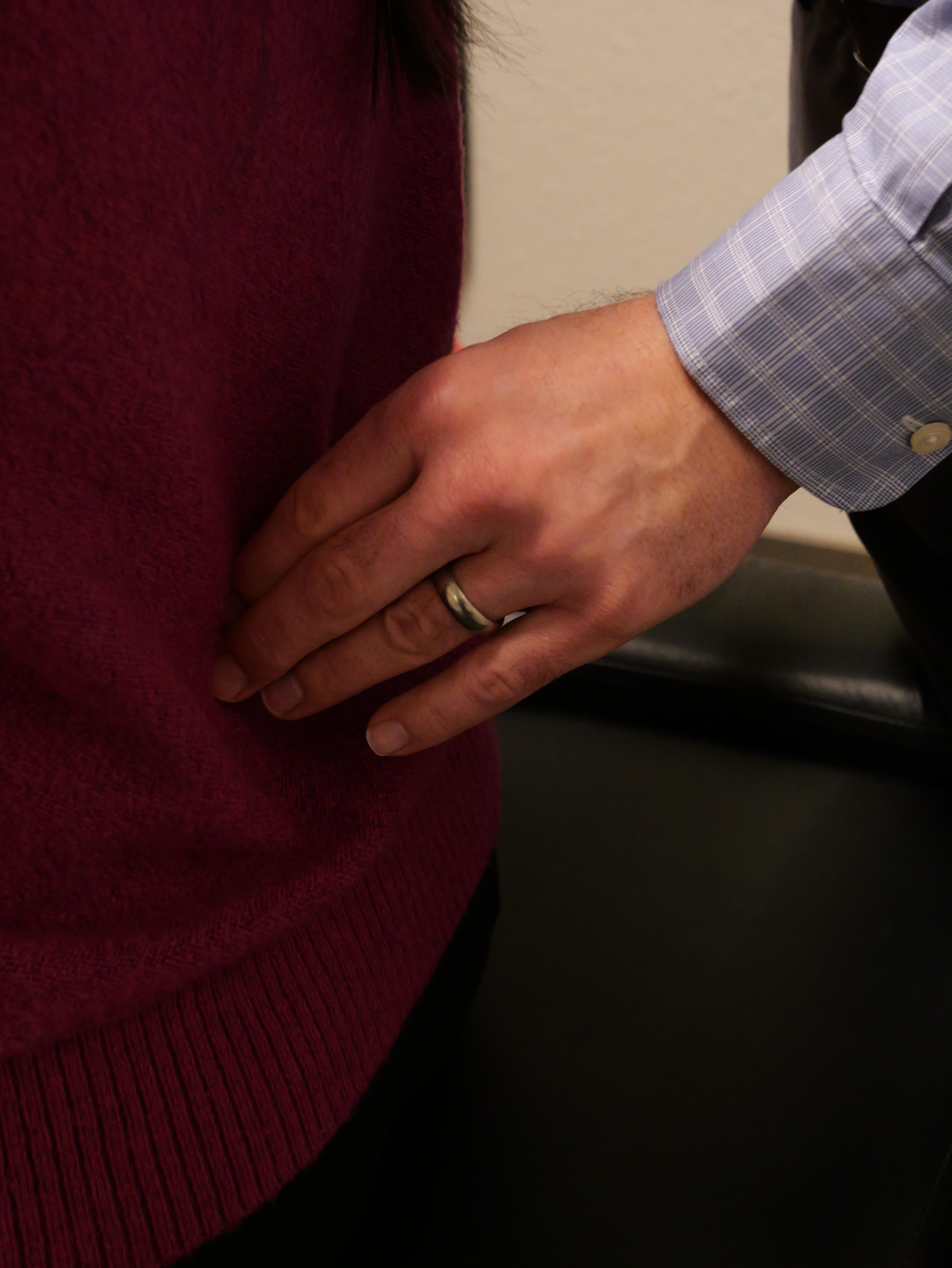
Before seeking professional help, you can perform simple checks to better understand your condition. These self-assessments can highlight whether your discomfort is more likely due to joints, muscles, or both.
Simple Mobility and Flexibility Tests
Try bending forward to touch your toes. If this causes discomfort, your muscles might be tense. Next, gently arch your back. If this movement is painful, your joints might be stiff. Rotate your torso gently from side to side. Limited range of motion could indicate joint involvement.
Perform these tests slowly and stop if you experience severe pain. These movements can help you pinpoint which actions trigger your pain, offering clues about its source.
Assessing Pain Patterns and Triggers
Observe when your pain intensifies. Does it worsen with specific activities or positions? Morning pain could suggest joint stiffness, while evening soreness might indicate muscle fatigue. Noticing these patterns can help determine the underlying cause.
Consider keeping a pain diary, noting what activities increase discomfort. This record can be invaluable in identifying triggers and planning effective interventions.
When to Seek Professional Evaluation
If your pain persists or worsens, it’s time to consult a professional. Chiropractic care can offer targeted treatments for both muscle and joint issues. Persistent pain, numbness, or weakness are red flags needing immediate evaluation.
Don’t wait for the pain to become unbearable. Early intervention can prevent chronic issues and promote quick recovery, especially when both muscle and joint factors are involved.
Chiropractic Solutions for Low Back Relief

Chiropractors offer a range of techniques to address both joint and muscle-related back pain, focusing on restoring movement and reducing discomfort.
Effective Techniques for Joint Stiffness
Chiropractors use flexion-distraction and manual adjustments to improve joint mobility. This is particularly effective for conditions like facet joint pain. These gentle adjustments can restore the natural movement of your spine and reduce stiffness.
By targeting specific stiff areas, chiropractic care helps realign your spine, easing stiffness and improving mobility. This approach not only alleviates current discomfort but also prevents future stiffness.
Addressing Muscle Tension with Therapy
Muscle tension is treated through methods like myofascial release and soft tissue therapy. These techniques help release trigger points and relax tight muscles. Regular sessions can significantly reduce muscle spasms and enhance flexibility.
By focusing on the soft tissues, chiropractors can relieve tension, improve blood flow, and promote muscle relaxation, leading to long-term relief from muscle-related pain.
Comprehensive Care at Mill Creek Chiropractic
At Mill Creek Chiropractic, we specialize in blending these techniques for a holistic approach to pain relief. Our team collaborates to provide a personalized treatment plan that addresses both joint and muscle issues.
We aim to empower you with effective solutions for your low back pain, ensuring you regain comfort and mobility. Whether you’re dealing with auto injury back pain or seeking prenatal back pain relief, our comprehensive approach supports your journey to wellness.
Frequently Asked Questions
How can I tell if my back pain is muscular or joint-related?
Muscular pain often feels like aching or tightness, especially after activity, and is sensitive to touch. Joint pain may feel like stiffness or a deep ache, especially in the morning or after sitting.
What are the best self-checks for low back pain?
Try mobility tests like bending forward, arching your back, and rotating side to side. Note which movements trigger pain to understand whether muscles or joints are involved.
When should I see a chiropractor for low back pain?
If your pain persists, worsens, or is accompanied by numbness or weakness, seek professional evaluation. Early intervention can prevent chronic issues.
What chiropractic techniques help with joint stiffness?
Techniques like flexion-distraction and manual adjustments improve joint mobility and alleviate stiffness by realigning the spine.
How do chiropractors treat muscle tension?
Chiropractors use myofascial release and soft tissue therapy to relieve muscle tension, improve flexibility, and reduce spasms, promoting long-term muscle health.