
Neck Tension, Low Back Pain, and Headaches: How They’re Connected—and How to Find Relief
Neck tension, low back pain, and headaches often feel like separate problems, but they’re usually connected. When these issues show up together, they can point to a common cause rooted in your spine and posture. At Mill Creek Chiropractic, we specialize in pinpointing these links and crafting drug-free treatments that bring lasting relief. Keep reading to learn how understanding this connection can guide you toward better neck pain relief and overall wellness.
Understanding the Pain Connection
If you’ve ever wondered why neck tension, low back pain, and headaches seem to be a package deal, you’re not alone. Understanding their connection can be the key to effective relief.
Neck Tension and Headaches
Neck tension can often lead to headaches. When muscles in your neck strain, they can trigger cervicogenic headaches, which are linked to neck issues. This type of headache is often confused with other kinds, but it stems directly from problems in the neck. Learn more about cervicogenic headaches here. This pain can travel up from the neck to the head, causing discomfort and pressure around the forehead and behind the eyes.
Persistent neck tension can also affect your posture, which may further contribute to headache development. Many people find that addressing neck tension through targeted exercises or therapies can significantly reduce headache frequency and intensity. Keeping an eye on your daily habits, like how you sit or use your phone, can also help prevent these headaches.
Low Back Pain and Its Impact
Low back pain affects more than just your back. It can influence your entire body, causing issues like poor posture and even headaches. The lumbar spine, or lower back, plays a crucial role in your body’s overall alignment and stability. When it’s out of alignment, it can lead to compensatory patterns that affect your neck and head.
Daily activities, such as sitting for extended periods or lifting heavy objects, can strain your lower back. Over time, this strain can lead to chronic pain or stiffness. By understanding how your lower back functions and what can cause it to hurt, you can take steps to manage and alleviate the pain. Simple changes like improving your posture or incorporating stretching routines can make a significant difference.
Biomechanical Issues Explained
Biomechanical issues often connect neck tension, low back pain, and headaches. These issues arise when the body’s movement patterns are disrupted, often due to poor posture or repetitive strain. When your spine is misaligned, it can cause a ripple effect of pain and discomfort throughout your body.
By identifying and addressing these biomechanical problems, you can reduce tension and improve your overall well-being. Chiropractic care is an effective way to pinpoint and correct these issues, helping to restore balance and alleviate pain. For a more in-depth understanding of how neck pain can cause headaches, check out this helpful resource.
Finding Effective Relief
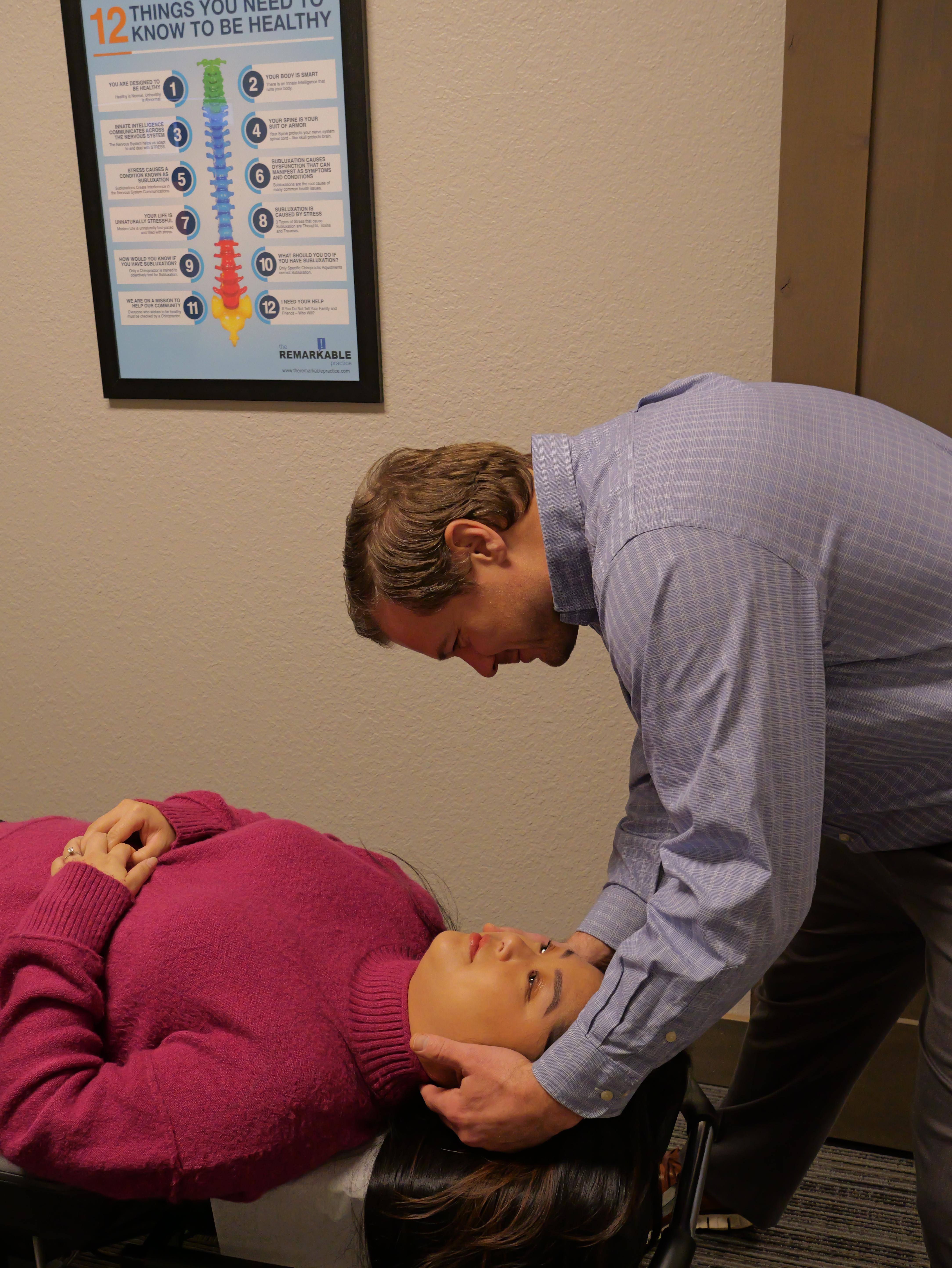
Finding relief from these interconnected issues goes beyond managing symptoms. It requires addressing the root causes through a combination of therapies and lifestyle changes.
Chiropractic Adjustments and Benefits
Chiropractic adjustments are a powerful tool for relieving pain and improving mobility. By realigning the spine, chiropractors help reduce nerve irritation and restore proper function to the body. Adjustments can lead to immediate improvements in mobility and pain reduction, offering a sense of relief and increased comfort.
These adjustments target specific areas that contribute to neck tension, low back pain, and headaches. Regular chiropractic care can help maintain spinal health and prevent future issues. Most patients notice a significant reduction in their symptoms after just a few sessions, making it a popular choice for those seeking long-term pain management.
Role of Myofascial Release
Myofascial release is an effective technique for relieving muscle tension and pain. This hands-on therapy targets the fascia, a connective tissue that surrounds muscles, to release tightness and improve mobility. By applying gentle pressure, therapists can ease tension that contributes to pain and discomfort.
This therapy is particularly beneficial for those dealing with chronic neck and back pain. It complements chiropractic adjustments by further reducing muscle tension and promoting relaxation. Incorporating myofascial release into your routine can enhance the benefits of chiropractic care and lead to more comprehensive relief from pain. For more information on myofascial release, this scientific article provides detailed insights.
Importance of Posture and Ergonomics
Good posture and ergonomics play a vital role in preventing and alleviating pain. Maintaining proper alignment reduces strain on your muscles and joints, helping to prevent tension and discomfort. Simple changes, like adjusting your workstation or using supportive seating, can make a world of difference in your daily comfort.
Improving your posture not only helps with neck and back pain but also reduces the likelihood of developing tension headaches. By becoming more aware of your posture and making adjustments as needed, you can create a healthier environment for your body. This practice, combined with regular chiropractic care, can lead to lasting improvements in your well-being.
Comprehensive Care at Mill Creek Chiropractic
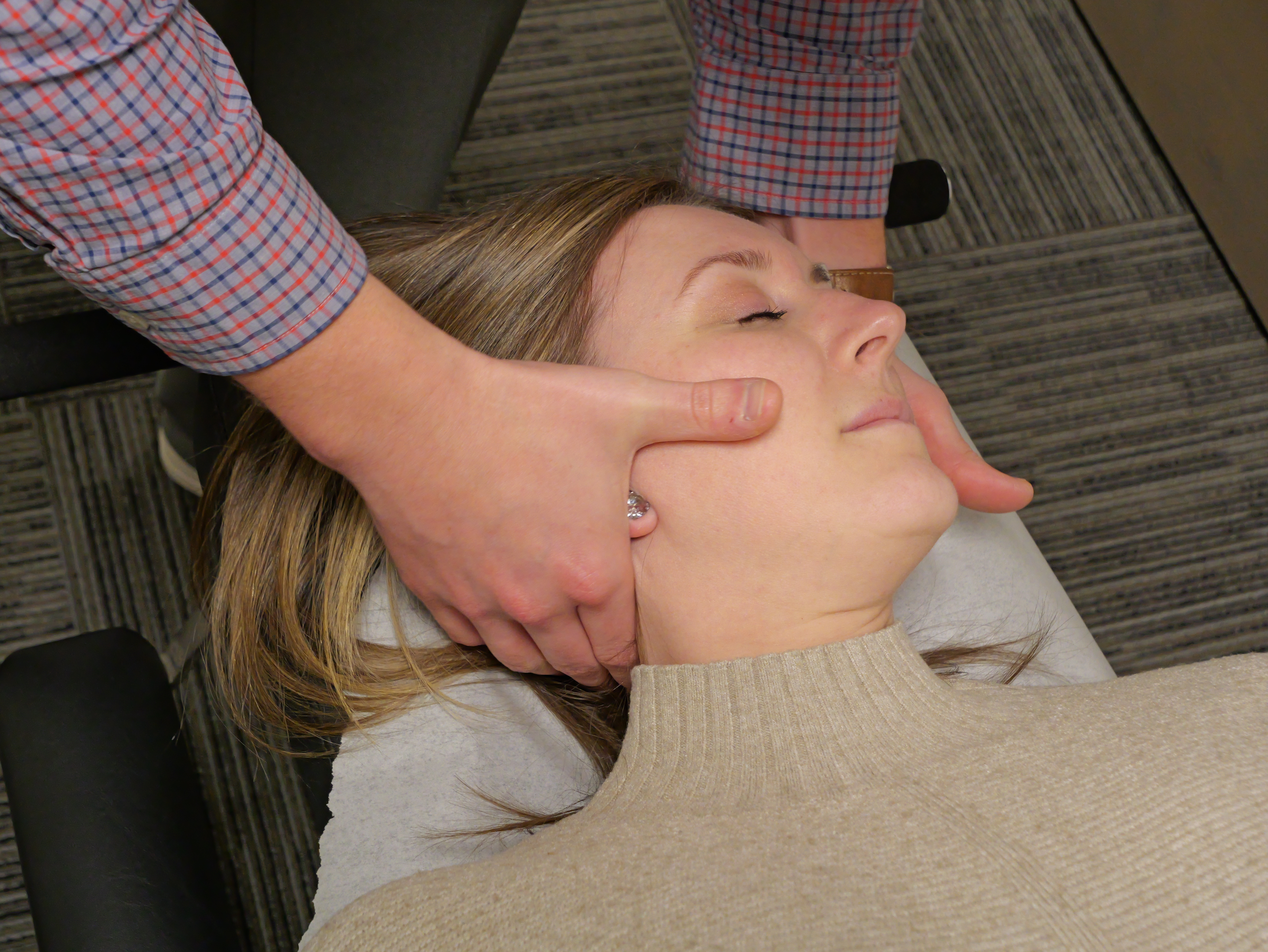
At Mill Creek Chiropractic, we understand the importance of a holistic approach to care. Our comprehensive services are designed to address your unique needs and promote long-term wellness.
Scheduling Your Evaluation
Scheduling an evaluation is the first step toward relief and better health. During your visit, our team will assess your symptoms and create a personalized treatment plan. Evaluations help identify the underlying causes of your pain and guide the development of an effective care strategy.
We understand that each patient is unique, and our evaluations reflect that. By taking the time to understand your specific needs, we can provide the most effective care possible. Don’t wait to start your journey toward better health—schedule your evaluation today.
Personalized Therapeutic Plans
Our personalized therapeutic plans ensure that your treatment is tailored to your specific needs. We focus on addressing the root causes of your pain, not just the symptoms. Each plan includes a combination of chiropractic adjustments, myofascial release, and ergonomic advice to promote healing and well-being.
We believe that long-term wellness is achieved through a combination of therapies and lifestyle changes. Our plans are designed to guide you through your recovery journey, offering support and guidance every step of the way. By focusing on your unique needs, we can help you achieve lasting relief and improved health.
Collaborative and Holistic Approach
Our collaborative and holistic approach sets us apart. We work closely with other healthcare professionals to ensure you receive comprehensive care. By collaborating with neurologists, physical therapists, and orthopedists, we provide a well-rounded treatment experience that addresses all aspects of your health.
This team-oriented approach ensures that all your healthcare needs are met. Whether you’re recovering from an injury or managing chronic pain, our network of specialists is here to support you. Together, we strive to improve your quality of life and help you achieve your wellness goals.
Frequently Asked Questions
How can chiropractic care help with neck tension and headaches?
Chiropractic care can reduce neck tension and headaches by realigning the spine and reducing nerve irritation. This helps to alleviate pressure and improve mobility, leading to fewer headaches and more comfort.
What is myofascial release, and how does it work?
Myofascial release is a hands-on therapy that targets the fascia, the tissue surrounding muscles. By applying gentle pressure, it releases tension and improves mobility, complementing chiropractic adjustments for more comprehensive pain relief.
Why is posture important for pain management?
Good posture reduces strain on muscles and joints, helping to prevent pain and tension. By maintaining proper alignment, you can reduce the likelihood of developing neck and back pain, as well as tension headaches.
What should I expect during my first chiropractic evaluation?
During your evaluation, a chiropractor will assess your symptoms and discuss your health history. They will then create a personalized treatment plan tailored to your specific needs, focusing on addressing the root causes of your pain.
How does Mill Creek Chiropractic’s holistic approach benefit patients?
Our holistic approach combines chiropractic care with collaboration from other healthcare professionals. This ensures comprehensive care that addresses all aspects of your health, leading to more effective pain management and overall wellness.